One of the most valuable lessons I learned early in my product career was that the fastest way to unlock new revenue streams isn’t always building new capabilities yourself.
Sometimes the smartest move is designing the right partnership.
While working with William Hill Australia, we were heavily reliant on sports and racing to drive engagement and revenue. The question we were exploring was simple: how could we diversify revenue without taking on significant operational or financial risk?
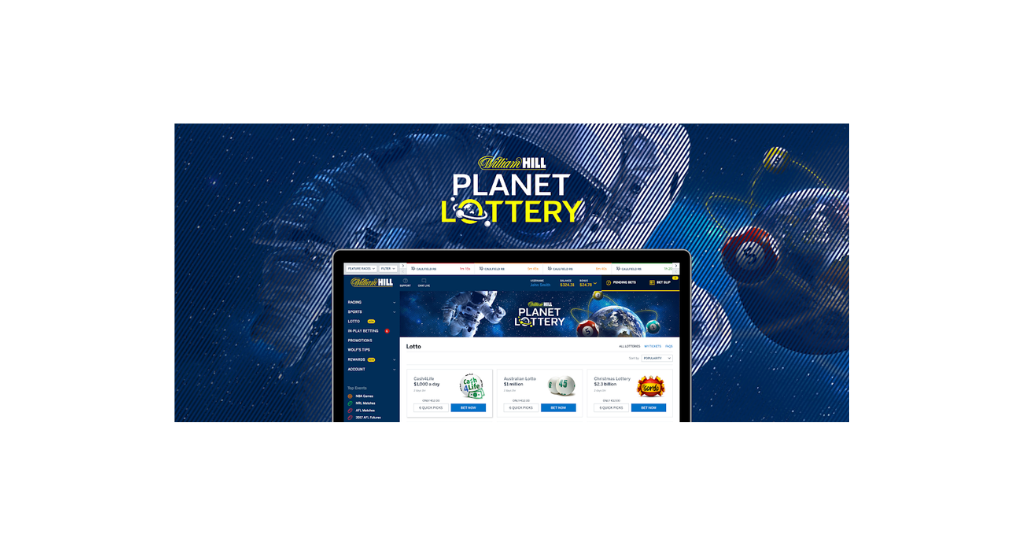
The answer became a white-label lottery betting platform built in partnership with Lottoland.
The Problem
Competition between sportsbook operators was intense, with most brands offering broadly similar sports and racing products. As a result, differentiation was limited and operators were increasingly competing on price, promotions, and marketing spend.
To sustain growth, we needed to explore alternative revenue streams that could complement the core sportsbook experience without increasing operational risk.
Customer research showed clear appetite for lottery-style betting, but building this capability in-house would have been slow, expensive, and operationally complex.
The challenge was to introduce a secondary lottery betting product that:
- Felt seamless and trustworthy for customers
- Met strict regulatory and compliance standards
- Limited financial and operational risk for the operator
- Delivered meaningful incremental revenue
Key product decision
The core product decision was whether to build a lottery capability internally or partner with an existing operator.
Building internally would have required significant investment in infrastructure, regulatory approvals, insurance cover, and operational expertise.
A white-label partnership offered a faster route to market while transferring the financial liability of lottery payouts to Lottoland. The challenge was ensuring customers still experienced a seamless and trustworthy journey under the William Hill brand.
From a product perspective, this meant designing an experience that preserved customer trust while clearly communicating who the principal bookmaker was at every step.
How we executed
We designed a clear, repeatable betting journey that:
- Made the principal bookmaker explicit at every key step
- Required a one-time acknowledgement of updated terms
- Integrated seamlessly with existing accounts, wallets, and bet history experiences
One of the key product decisions was deliberately stripping the MVP back to the essentials: web and Android first, minimal rewards complexity, and clear messaging at the point of bet placement and confirmation. This allowed us to launch quickly while reducing regulatory risk and operational complexity.
Launching a focused MVP allowed us to move quickly, learn from real customer behaviour, and iterate based on data rather than assumptions.
The initial proposition included Rapid Keno and selected international lotteries. We aligned product, marketing, and commercial teams around a coordinated launch supported by TV advertising (which you’ll find below) and on-site promotion.
Importantly, we treated this as a platform capability rather than a one-off feature, with a roadmap covering mobile expansion, rewards integration, and ongoing proposition refinement.
What happened
Within the first few weeks of launch, the results were encouraging:
- Over 3,000 unique bettors
- More than 10,000 bets placed
- Approximately $97k in turnover in under a month
- Rapid Keno emerging as a high-frequency, high-margin product
These early results validated the diversification hypothesis: sportsbook customers were willing to adopt adjacent betting products when the experience felt familiar and trustworthy.
The proposition quickly put us on track against our year-one revenue targets, with the majority of contribution flowing through at high margin.
Learnings
This project reinforced a few core product lessons that still guide how I work today:
- Well-structured partnerships can unlock strategic capabilities far faster than building in-house, provided product ownership of the customer journey remains clear.
- Regulatory clarity and customer trust are product features, not constraints.
- MVP is about learning speed, not cutting corners.
- Platform thinking pays off long-term, even for commercially driven launches.
Why it matters
This work sits at the intersection of platform product, partnerships, and customer experience. It demonstrates how thoughtful product leadership can unlock new revenue streams while protecting brand trust and customer understanding.
More importantly, it laid the foundations for the loyalty and platform work I focus on today. The principles were the same: build scalable capabilities, design for trust and clarity, and create value exchanges that benefit both the customer and the business.
From white-label betting platforms to modern loyalty ecosystems, the thread through my career has been consistent, using product thinking to diversify revenue, strengthen retention, and build platforms that compound in value over time.
Skills demonstrated
- Platform strategy & partnership design – Structuring commercial models that balance speed, capital efficiency, and risk transfer.
- Regulated product delivery – Designing compliant journeys that build trust without compromising usability.
- MVP scoping & iteration – Launching focused propositions quickly and learning through live customer behaviour.
- Cross-functional leadership – Aligning legal, commercial, engineering, and external partners around a shared outcome.
- Revenue diversification thinking – Creating new, high-margin streams that complement and strengthen core products.
If you’d like to chat about platform products, partnerships, or scaling new propositions, feel free to get in touch.